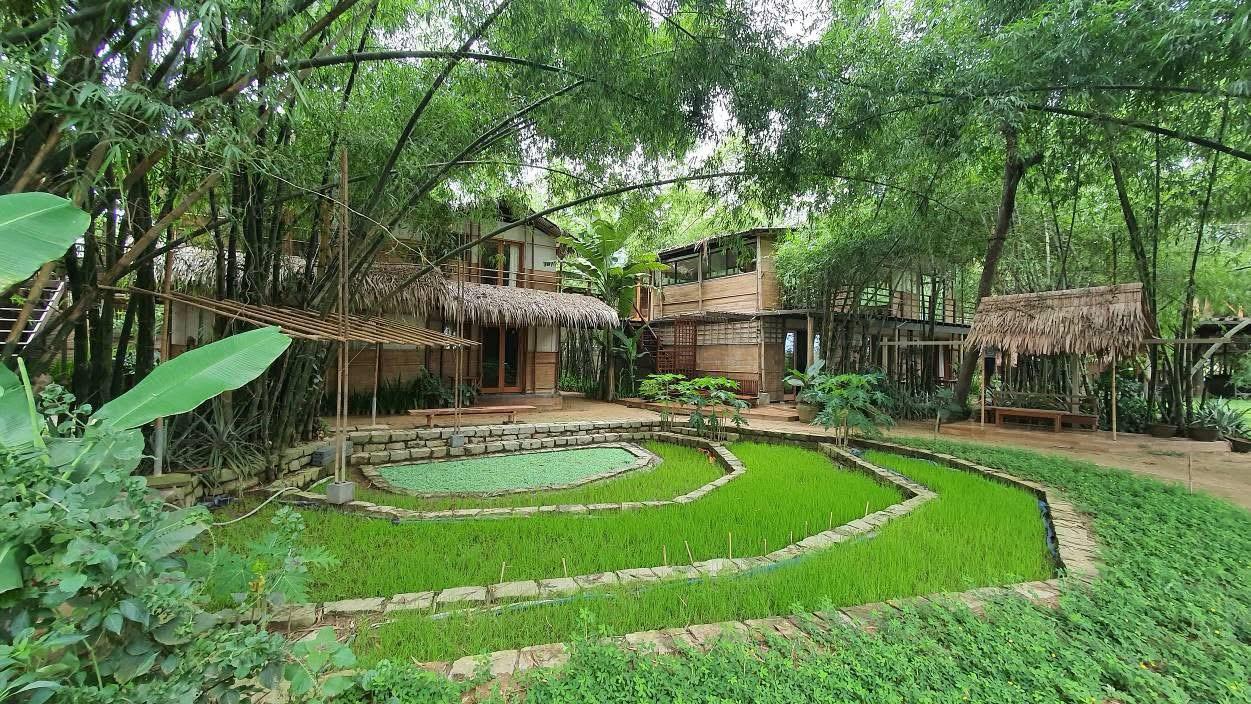
From Erosion to Sanctuary.
A riverside village once condemned to disappear. A community that chose to stay. A landscape brought back to life.
When the River Took the Village
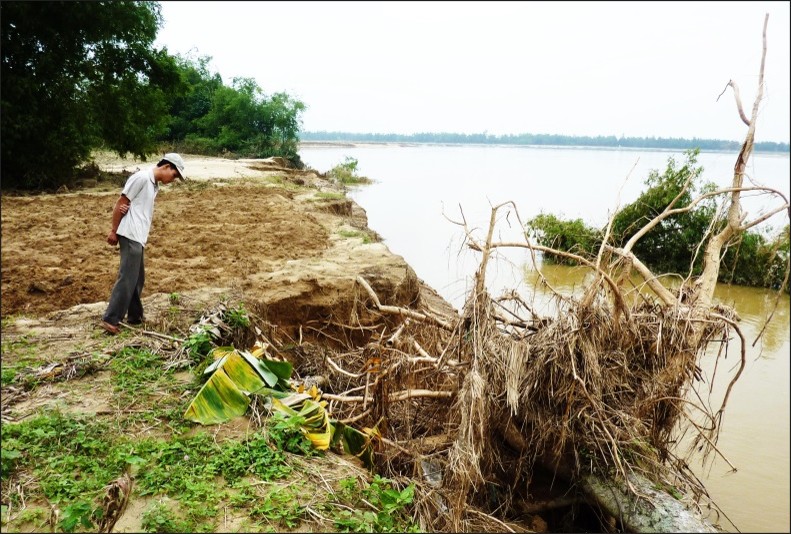
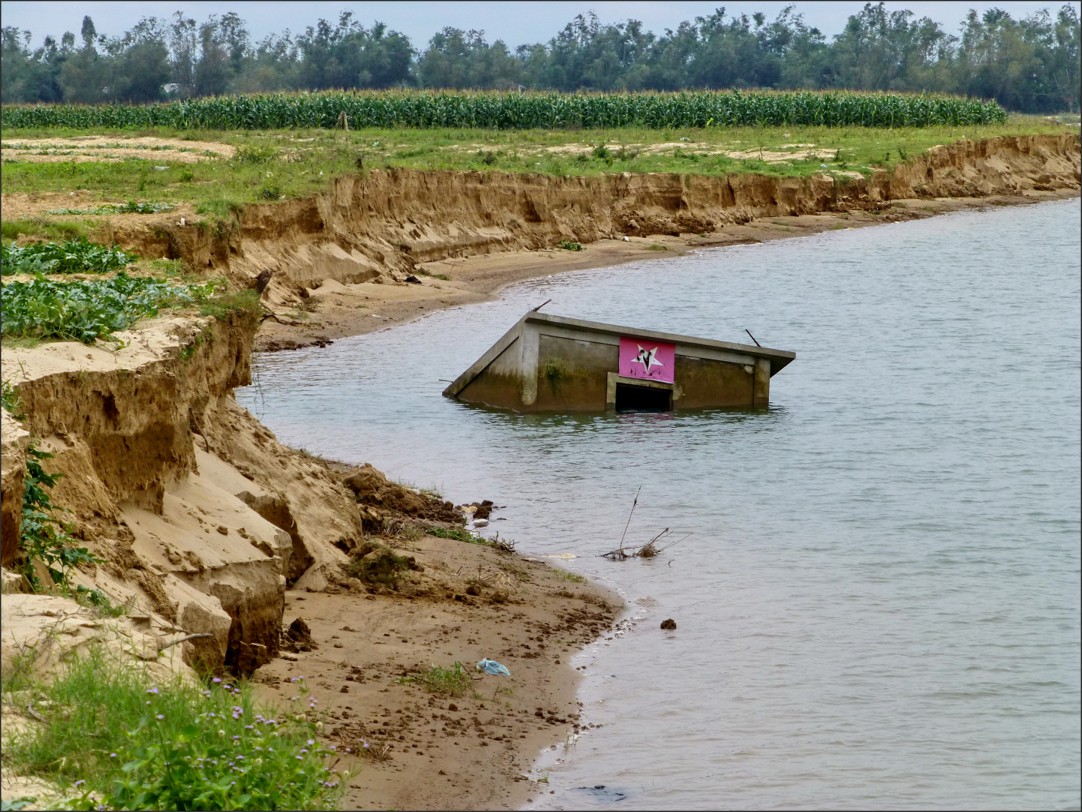
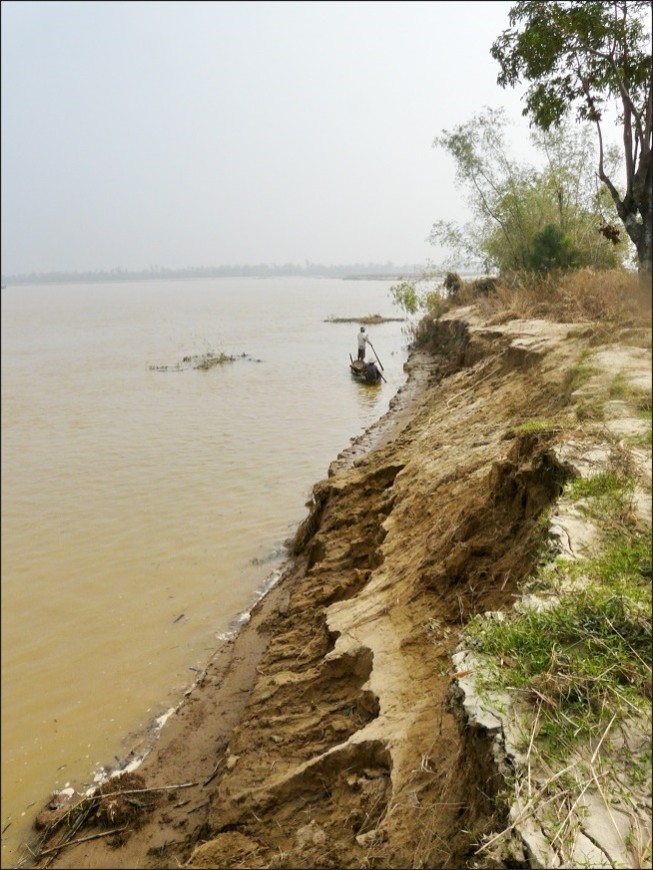
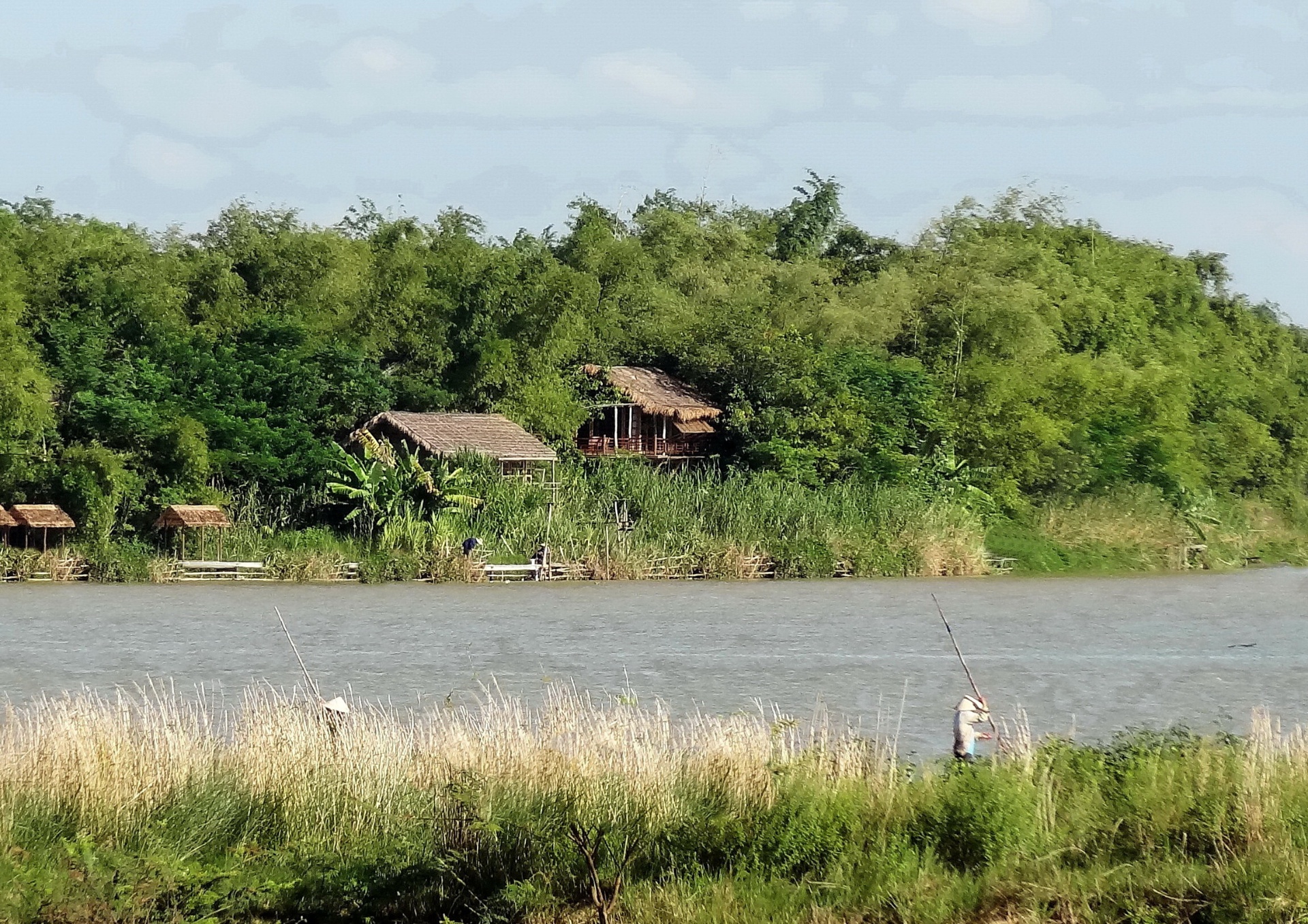
In 2009, severe erosion and flooding along the Thu Bồn River caused nearly two-thirds of Triêm Tây village to collapse into the water.
During the historic floods of October 2009, the destruction became so severe that the village was described as a "dead village". Homes disappeared, bamboo groves fell into the river, and the government decided to relocate residents to new settlements.
At the time, many believed the village's story had come to an end.
A Different Decision
Rather than accepting the disappearance of the village, architect Bùi Kiến Quốc decided to search for another solution.
Instead of relying on expensive concrete infrastructure, he developed a community-based ecological approach using:
- — Bamboo structures
- — Sandbags
- — Vetiver grass
- — Elephant grass
- — Local vegetation
- — Traditional knowledge
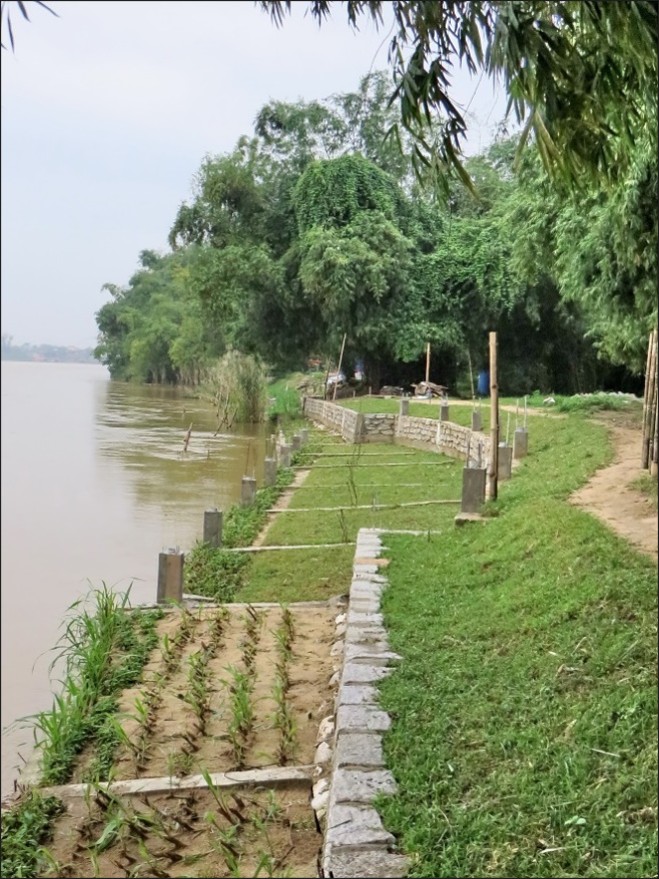
Working alongside local residents, the project restored and protected approximately 180 meters of riverbank.
Not only to protect the land — but to allow people to remain in their homes.
Five Years Against the River
The ecological barriers faced multiple floods and severe storms.
Year after year, the restored riverbank resisted.
Vegetation expanded.
Bamboo returned.
The landscape stabilized.
What began as an experiment became proof that a community-centered ecological solution could work.
More importantly, families no longer had to leave.
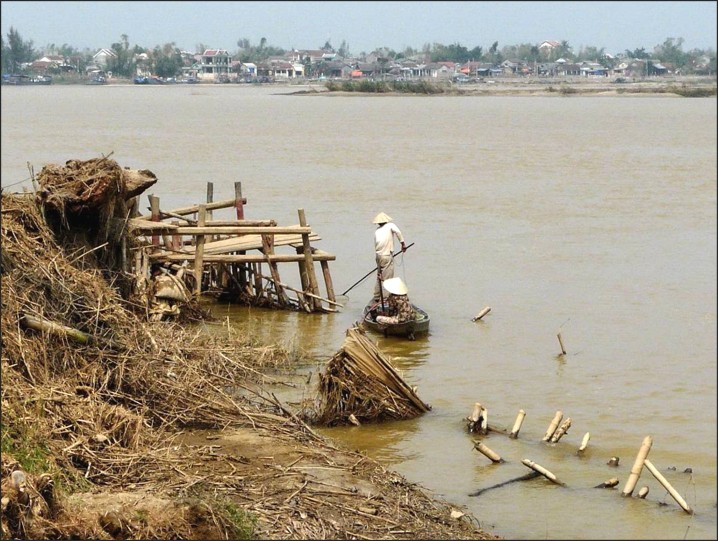
Before
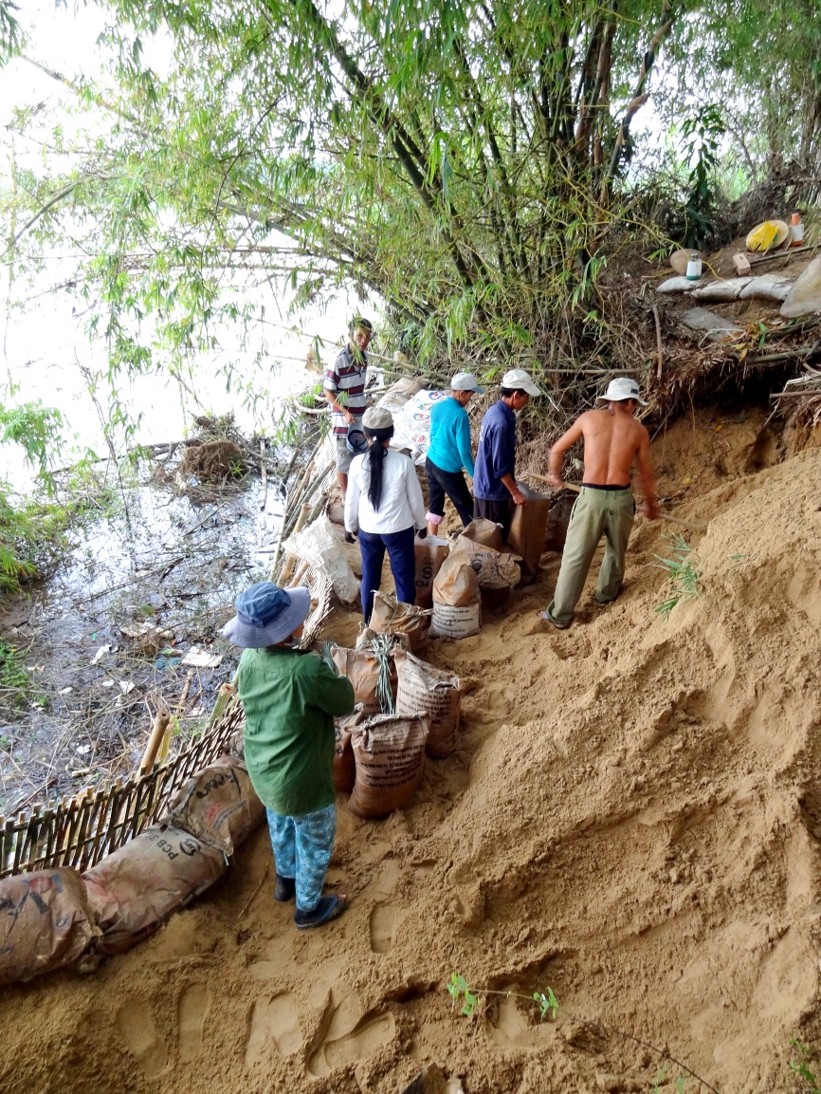
During
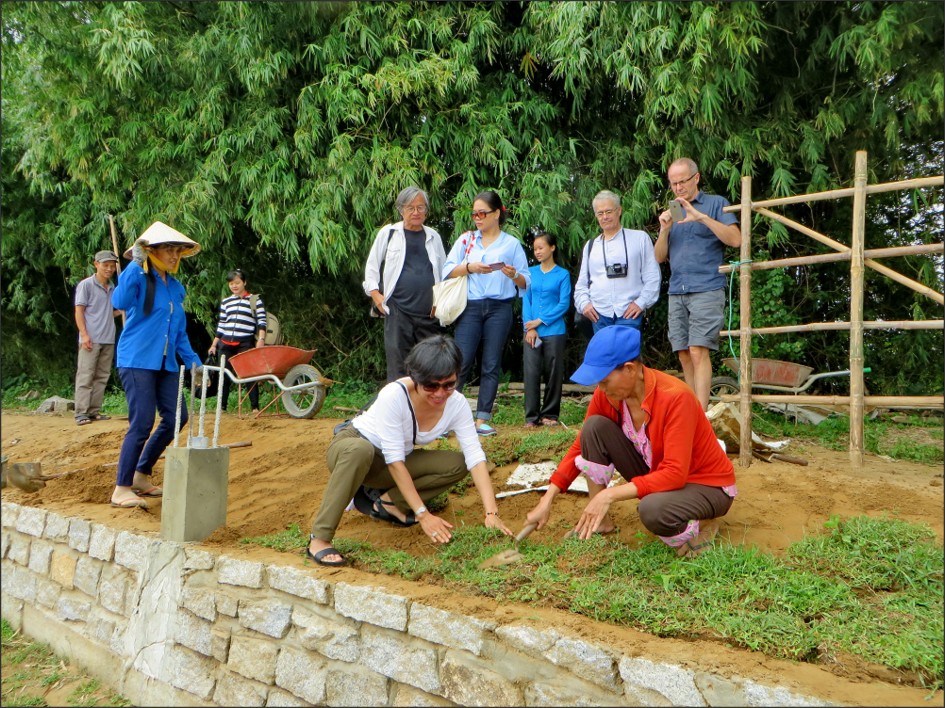
After
Saving the Land Meant Saving the Village
By 2015, the protected sections of the riverbank were no longer eroding.
The village was no longer shrinking.
More than 100 households benefited directly from the stabilization of the land.
Residents returned.
Homes were rebuilt.
The future of Triêm Tây became possible again.
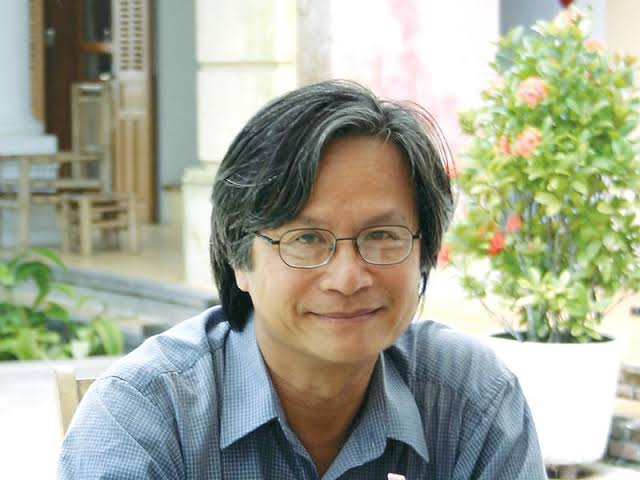
The man who negotiated with a river
Fighting nature is a mistake. One must negotiate with it, respect it, be courteous toward it.
Đối phó với thiên nhiên là sai lầm. Cần phải thương lượng, tôn trọng, lịch sự với môi trường tự nhiên.
Architect Bùi Kiến Quốc, a member of the Académie d'Architecture in Paris, wandered into Triêm Tây one afternoon in 2009 — a village then known as “the eroding village,” two-thirds of it already lost to the river. A villager told him the village was disappearing. That was the moment he decided to stay. Instead of concrete walls, he negotiated with the river: three tiers of grasses to hold the bank, bamboo to build with, and the village community to sustain it all.
Saving the Village Meant Saving Its Culture
With the threat of erosion removed, the village could begin looking forward again.
Traditional crafts survived.
Families remained together.
Community life returned.
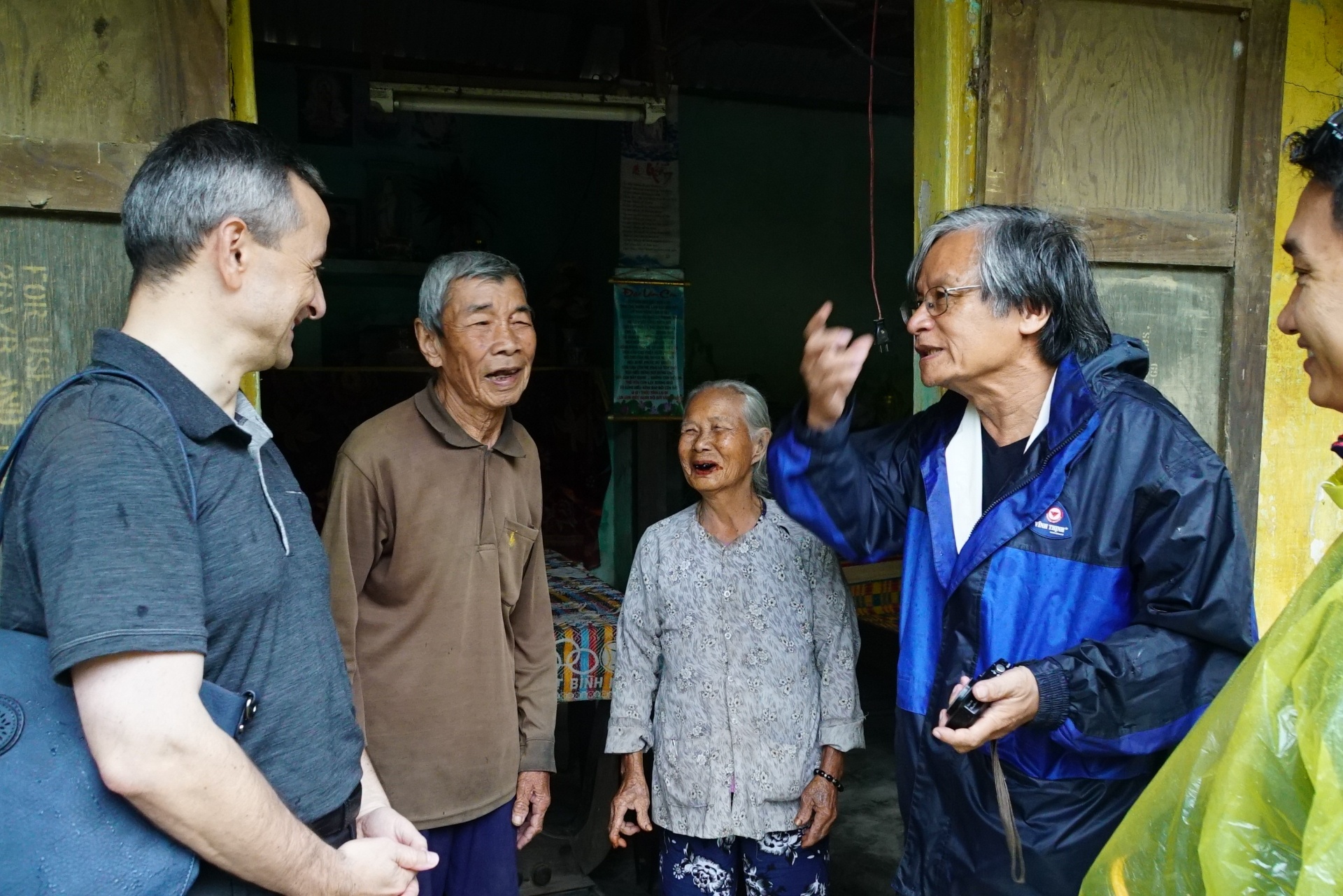
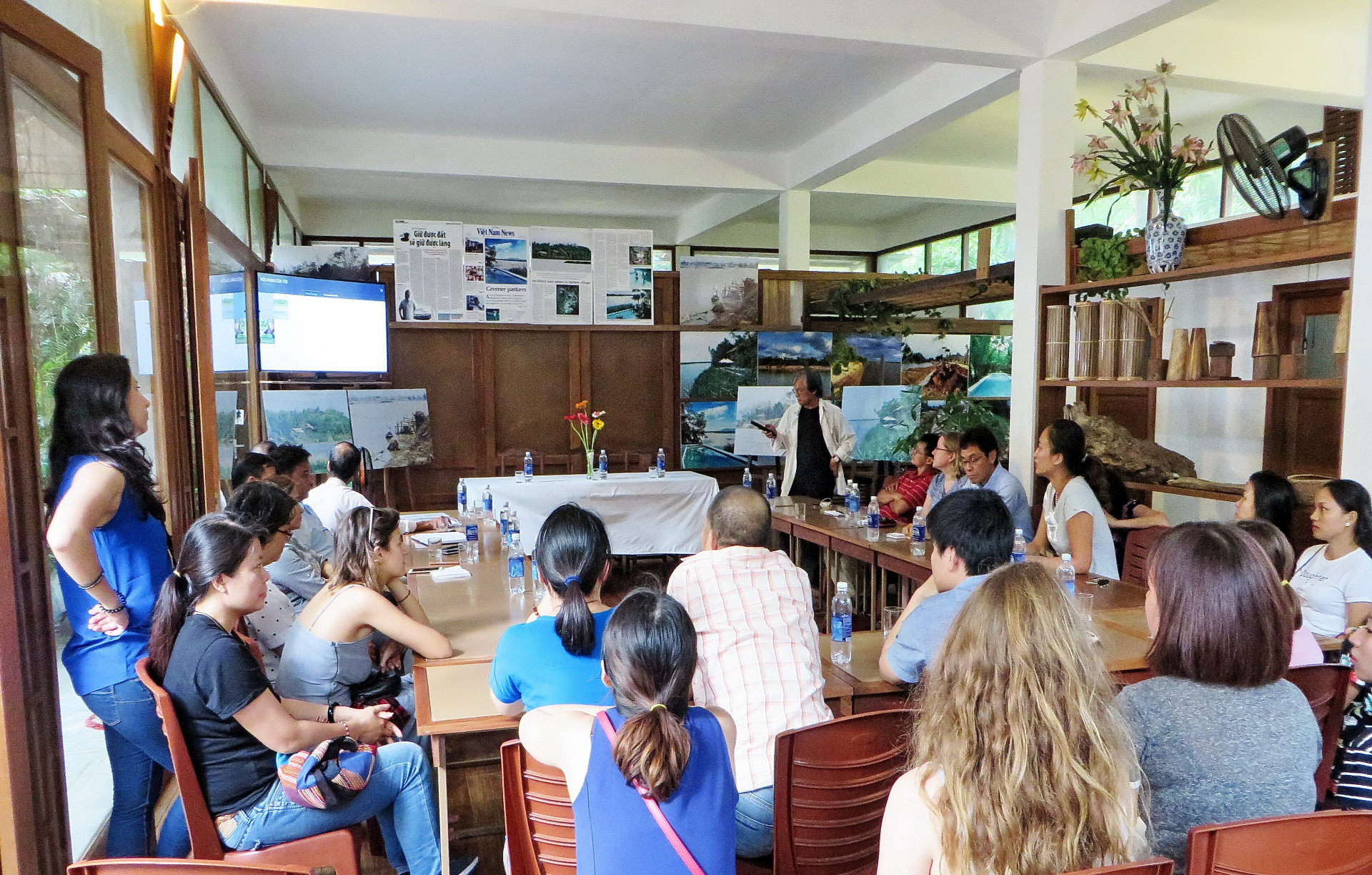
Organizations including UNESCO and the International Labour Organization supported programs to preserve local knowledge and strengthen the village economy.
The traditional mat-weaving craft of Triêm Tây gained new life.
The Birth of Triem Tay Gardens
The next step was to create a sustainable future for the village.
Triem Tay Gardens was born from a simple belief:
Tourism should not replace local life.
It should support it.
The project was designed to:
- — Preserve existing vegetation
- — Protect the riverside ecosystem
- — Create jobs for local residents
- — Support traditional crafts
- — Encourage meaningful cultural exchanges
Every room, garden, pathway, and bamboo structure reflects this philosophy.
Today
Today, Triem Tay Gardens is more than accommodation.
It is:
- — A restored riverside landscape
- — A community project
- — A cultural preservation initiative
- — A place of employment for local families
- — A living example of ecological restoration
When guests stay here, they become part of this story.
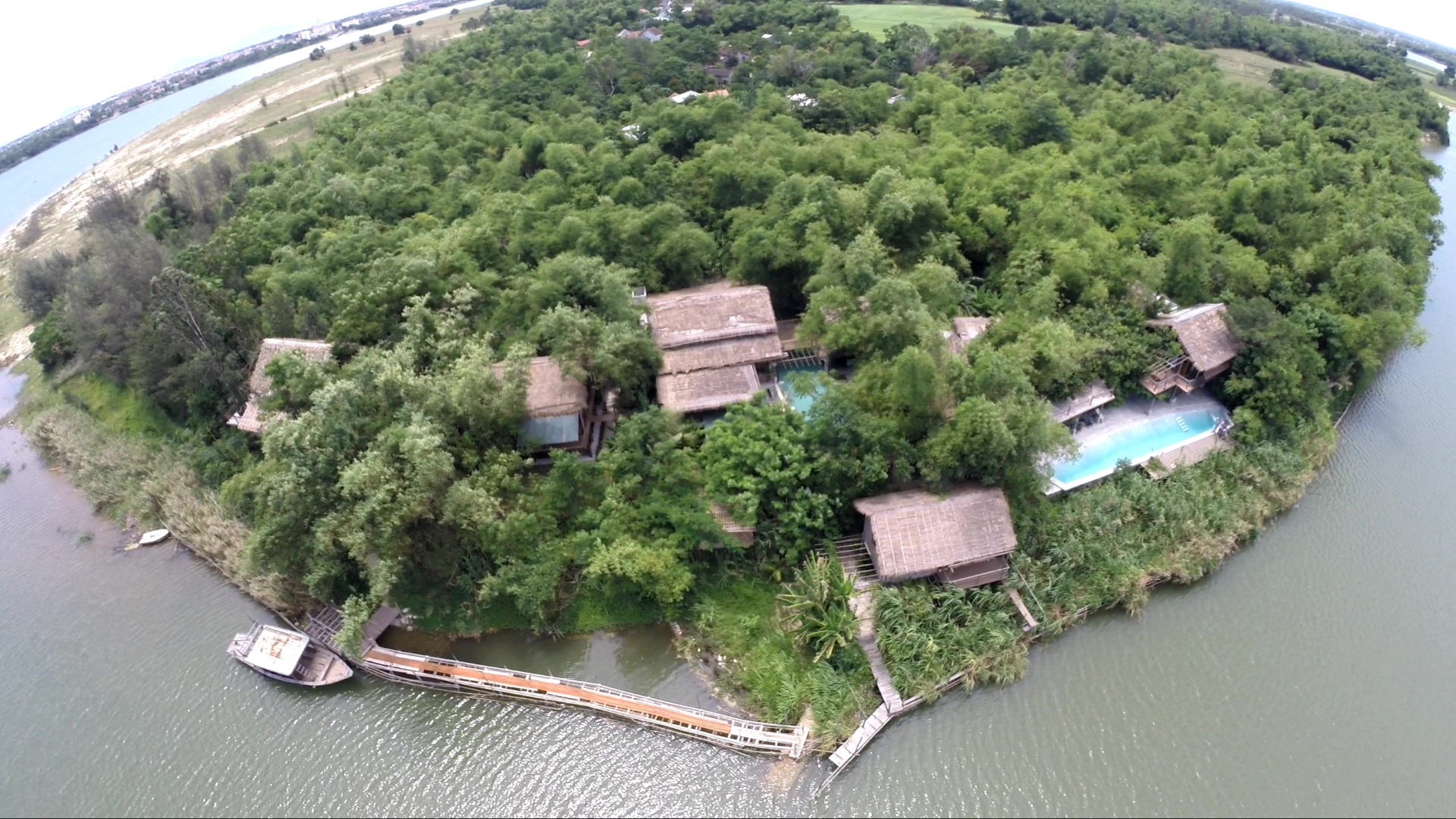
"We didn't build a hotel. We rebuilt a village."
— The Triem Tay team
What your stay supports.
Protecting Nature
Preserving riverbanks, bamboo groves, and native vegetation along the Thu Bồn.
Supporting Local Families
Creating employment opportunities and local economic activity in Triêm Tây.
Preserving Culture
Keeping traditional knowledge and crafts alive through workshops and community programs.
Building a Sustainable Future
Demonstrating that tourism can contribute to environmental restoration rather than destruction.
Without this project, Triêm Tây might no longer exist today.
Hope, continuity, and a quiet responsibility — toward both nature and culture.
Articles about the project
Stories and features written about Triem Tay Gardens and the restoration of the Thu Bồn riverbank.
KTS Bùi Kiến Quốc
Selected articles about the architect and his work restoring Triêm Tây village. Each link opens the original external publication in a new tab.
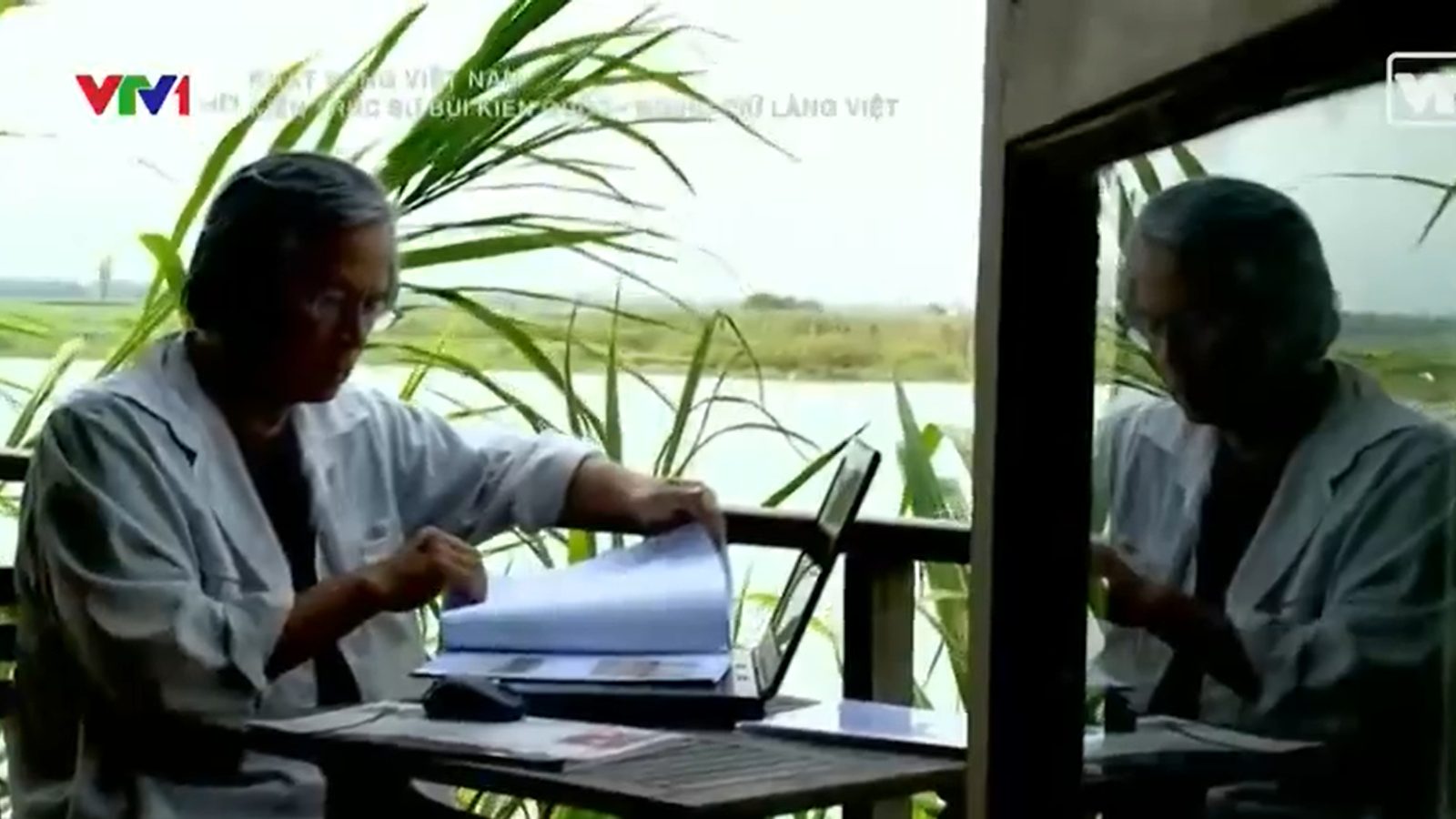
Khát vọng Việt Nam: Kiến trúc sư Bùi Kiến Quốc — Người giữ Làng Việt
National broadcast portrait — 'The man who keeps the Vietnamese village'. VTV1, 2016.
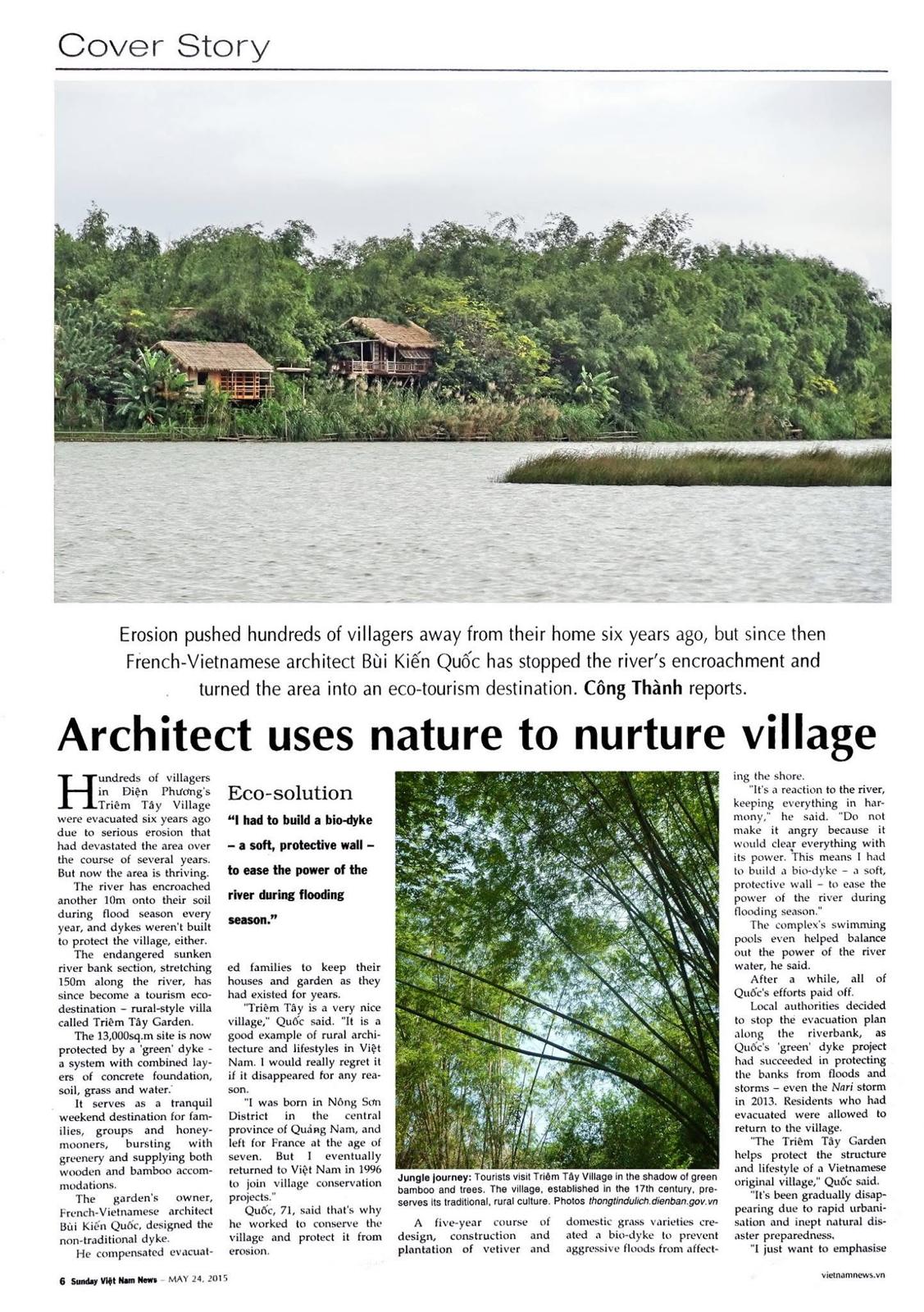
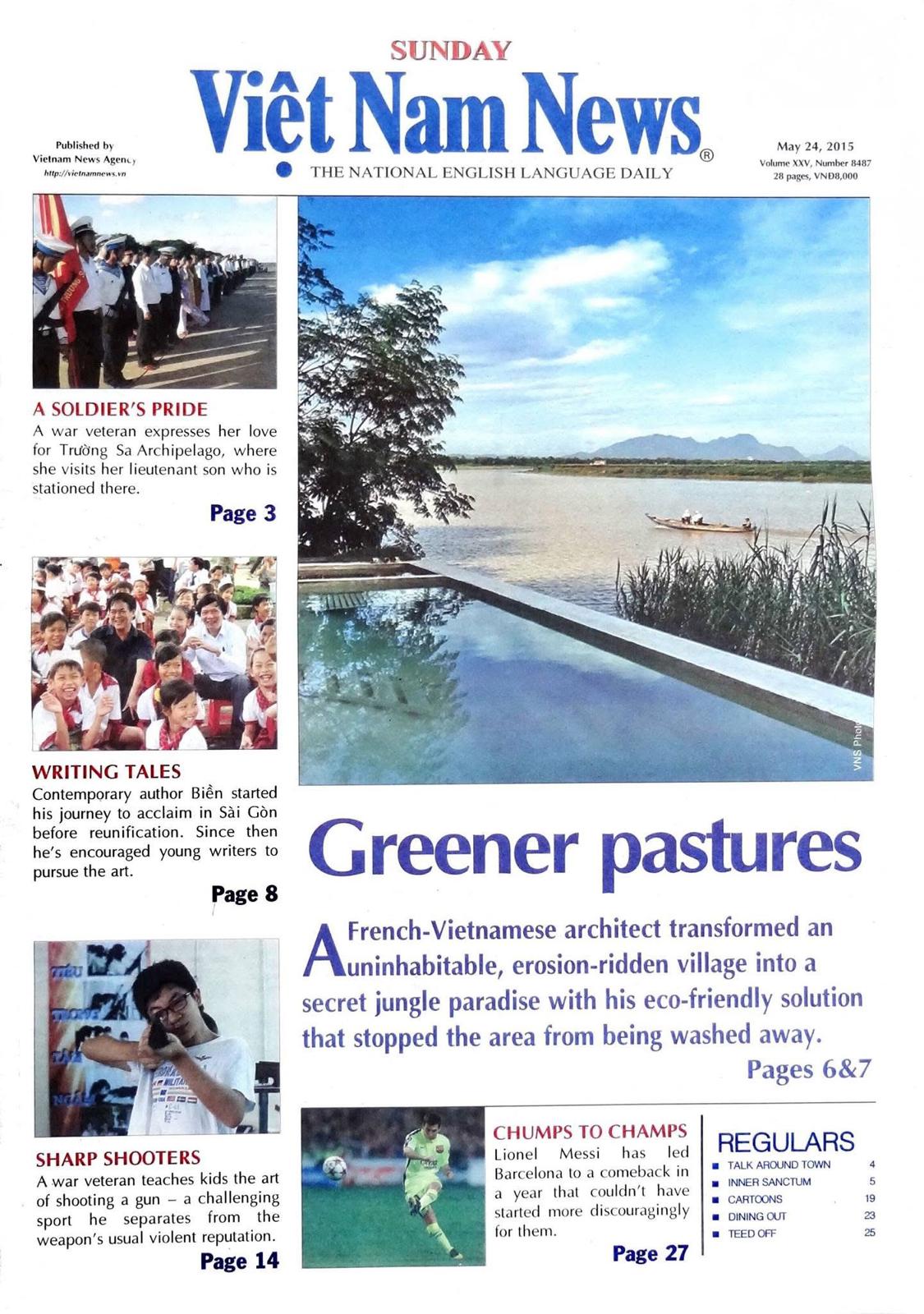
Architect uses nature to nurture village
VietNamNet Bridge
Architect Bui Kien Quoc, guardian of ancient villages
VOV World
Bamboo groves and riverbanks
Vietnam.vn
KTS Bùi Kiến Quốc: Triêm Tây – Gợi mở cách ứng xử 'lịch sự' với môi trường
Tạp chí Kiến Trúc
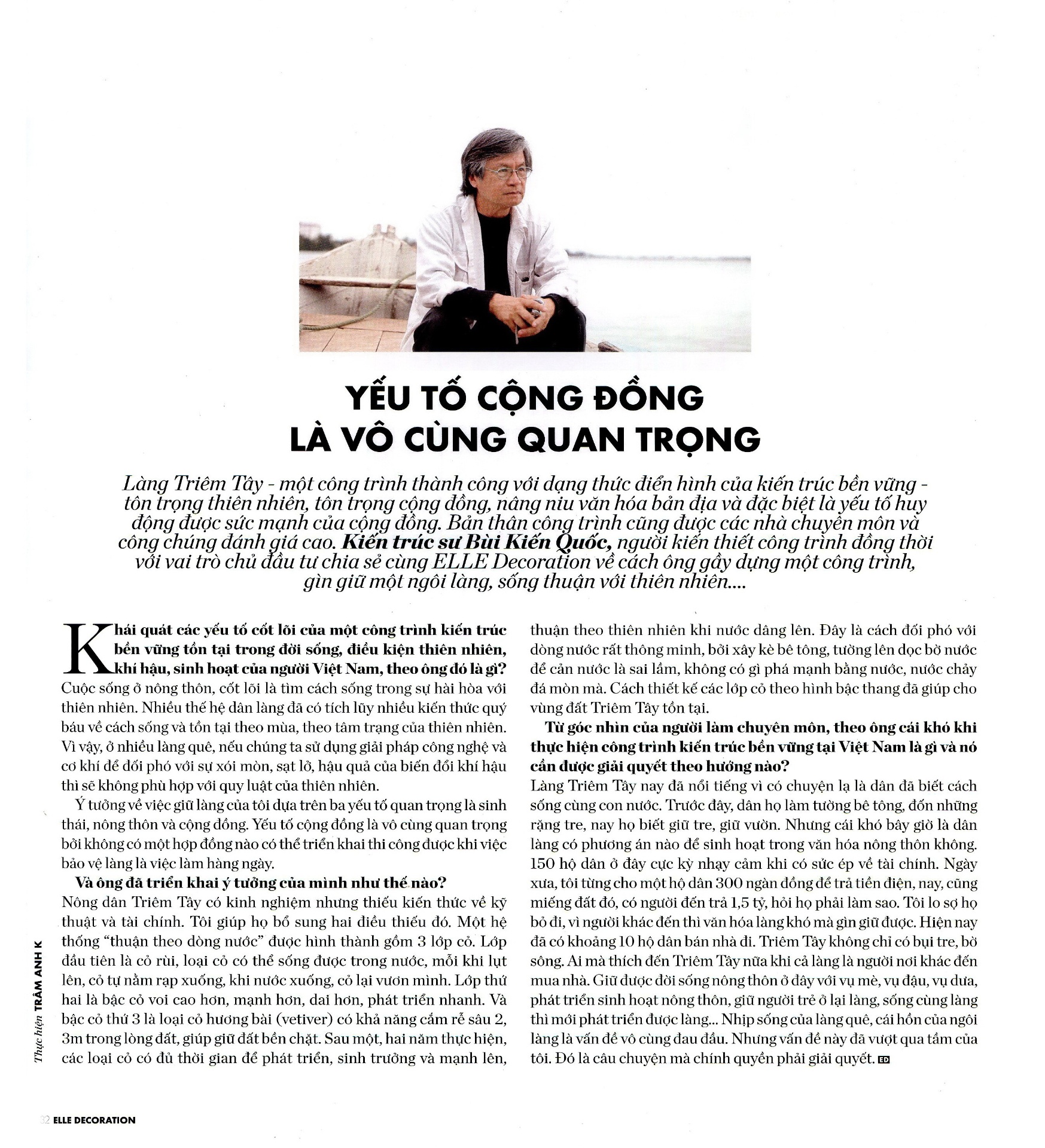
KTS Bùi Kiến Quốc và Yếu tố cộng đồng ở làng Triêm Tây
ELLE Decoration Vietnam
Kiến trúc sư Bùi Kiến Quốc và làng du lịch Triêm Tây
Nhịp Cầu Đầu Tư
Anh nhà quê Quảng Nam
Thời Báo Ngân Hàng
Kiến trúc sư Bùi Kiến Quốc: Mải mê gìn giữ những giá trị làng quê Việt
Báo Đầu Tư